


Creating a Medicinal Herb Garden: Plants That Heal
- naavaramirez
- Aug 22, 2025
- 3 min read
By Naava’s Nourishing Garden
There’s something deeply grounding about stepping outside and harvesting what you need to nourish, soothe, or restore your body—right from your own garden. Whether you’ve got a sprawling homestead or a tiny patio, creating a medicinal herb garden is one of the most powerful and healing things you can do for yourself and your family.
Today, I’m sharing my favorite beginner-friendly herbs that pack healing power, how to grow them, and where to source quality seeds and plant starts. Let’s get into it!
⸻
Why Grow Your Own Medicine?
When you grow herbs with your own hands, you know exactly what’s gone into them—no mystery sprays, no preservatives, no fillers. Just sun, soil, love, and time. These herbs can become teas, tinctures, balms, poultices, steams, or simply added into your meals for extra wellness support.
It’s ancestral, it’s nourishing, and it just feels good.
⸻
Must-Have Healing Herbs for Your Garden
Here’s a handful of herbs I always recommend for anyone starting their medicinal garden:
1. Calendula (Calendula officinalis)
A gentle powerhouse. Calendula is known for its anti-inflammatory and skin-soothing properties. I use it in everything from healing salves to tea blends for internal support. The blooms are also beautiful pollinator magnets.
Grow Tip: Prefers full sun and well-drained soil. Harvest the flowers regularly to encourage more blooms.
2. Chamomile (Matricaria chamomilla or Chamaemelum nobile)
Soothing for the nervous system and digestive tract. Great as a calming tea before bed or to ease tummy upsets.
Grow Tip: Needs full sun and can tolerate poor soil. The more you harvest the flowers, the more you’ll get.
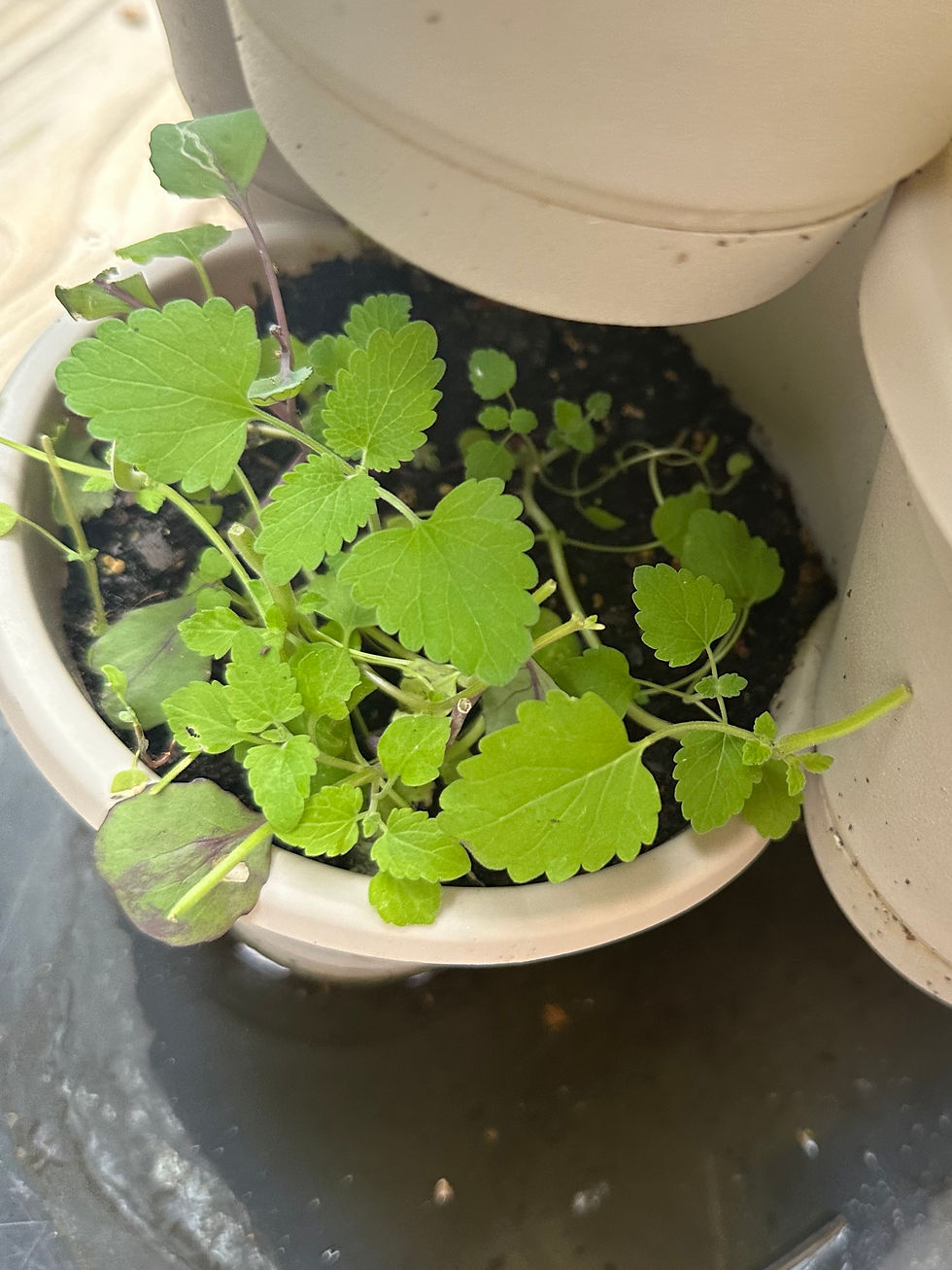
3. Lemon Balm (Melissa officinalis)
Bright and citrusy, lemon balm is calming to the nerves and great for uplifting the mood. It’s also antiviral and a strong ally for immune support.
Grow Tip: Spreads like mint—plant in containers or trim often to keep it in check.
4. Peppermint or Spearmint (Mentha spp.)
Digestive support, cooling for fevers, and refreshing in teas. Mint is easy to grow, but it does take over if left unchecked.
Grow Tip: Plant in pots or use underground barriers to control spreading.
5. Echinacea (Echinacea purpurea)
Immune-boosting and beautiful. Echinacea roots and flowers are used to help the body fight off infections.
Grow Tip: Needs full sun and well-drained soil. This perennial loves being left alone to grow strong roots.
6. Yarrow (Achillea millefolium)
A wound healer and anti-inflammatory herb that also supports circulation. Yarrow is a survivalist and can thrive in tough spots.
Grow Tip: Plant in full sun. Drought-tolerant and low-maintenance.
7. Holy Basil / Tulsi (Ocimum tenuiflorum)
Adaptogenic and deeply supportive for stress, anxiety, and immune health. The scent alone brings peace.
Grow Tip: Treat like other basils—give it warmth, sun, and regular harvesting to keep it thriving.
⸻
Sourcing Your Seeds + Starts
The where matters just as much as the what. You want to begin your herbal garden journey with seeds and plant starts that are pure, vibrant, and preferably organically grown.
Here are some trusted sources I’ve used and recommend:
• Botanical Interests – Great for home gardeners and has detailed seed packets
• Melanated Organics – Black-owned, culturally rooted seed company offering healing plants and heritage seeds
• PlantAndHeal.com – Focused on healing herbs, wellness gardening, and small-scale growers
• True Leaf Market – Large selection of both common and rare herbs
• Your Local Nurseries + Seed Swaps – Don’t overlook what’s right around you. Ask about organic starts, native plants, or even barter with fellow gardeners.
⸻
Tips for Getting Started
1. Start small. Don’t feel like you need to grow every herb at once. Begin with 3–5 that speak to you and your family’s needs.
2. Know your zone. Check your USDA zone so you know what will thrive year-round in your area.
3. Use what you grow. Make a tea, an oil infusion, or even a salve. Your garden becomes more meaningful the more you interact with it.
4. Keep a garden journal. Track what you planted, when you harvested, and how the herbs worked for you. This is a sacred record of your healing journey.
⸻
Final Thoughts
Growing your own healing herbs is about more than just plants—it’s about reclaiming your wellness, honoring the earth, and reconnecting with your own intuition. Whether you’re brewing tea under the stars or crafting a balm for a scraped knee, your garden becomes your apothecary, your sanctuary, and your teacher.
Let me know what you’re planning to grow—tag me @naavasnourishinggarden so I can cheer you on and maybe even feature your garden!




Comments