


Maximizing Your Garden Space: A Beginner's Guide to Raised Bed Gardening and the Perfect Soil Mix

Starting a raised garden bed is a great way to grow your own vegetables, herbs, and flowers. Planting in a raised bed garden can be a great way to maximize space while still maintaining a beautiful and healthy garden.
Here are some easy steps to get you started:
Choose a Location: Find a spot in your yard that receives at least 6 hours of sunlight a day. You do this by actually observing your planting space by the hour take pictures if necessary its not always as simple as finding the south facing space once you factor in things like trees that may shade things out. Make sure the area is level and has good drainage.
Build the Frame: You can use wood, bricks, or cinder blocks to build your frame. If you decide to build, I would recommend cedar it will give you more bang for you buck. In the case where you don't have the time to or just can't make your own I will link a couple below. Make sure it is at least 6 inches deep.
Fill the Bed: Fill the bed with a mixture of soil and compost. You can also add sand or perlite to improve drainage. There is more on Raised bed Soil mixtures/recipes below.
Plan Your Plants: Decide what you want to grow ideally you will do this at least 2 months before the season starts, but if you can't or didn't don' worry you can still plant when it's time planning in advance would give you time to start your plants from seed if that is what you were planning to do. Make sure you choose plants that will thrive in your climate or in your planting zone. (ex I'm in zone 9a)
Plant Your Garden: Once you have your plants, dig a hole for each one and place it in the soil. Water your garden regularly and enjoy the fruits (and vegetables) of your labor!
Remember, starting a raised garden bed takes time and effort, but it is a rewarding experience that can provide you with fresh produce all season long.
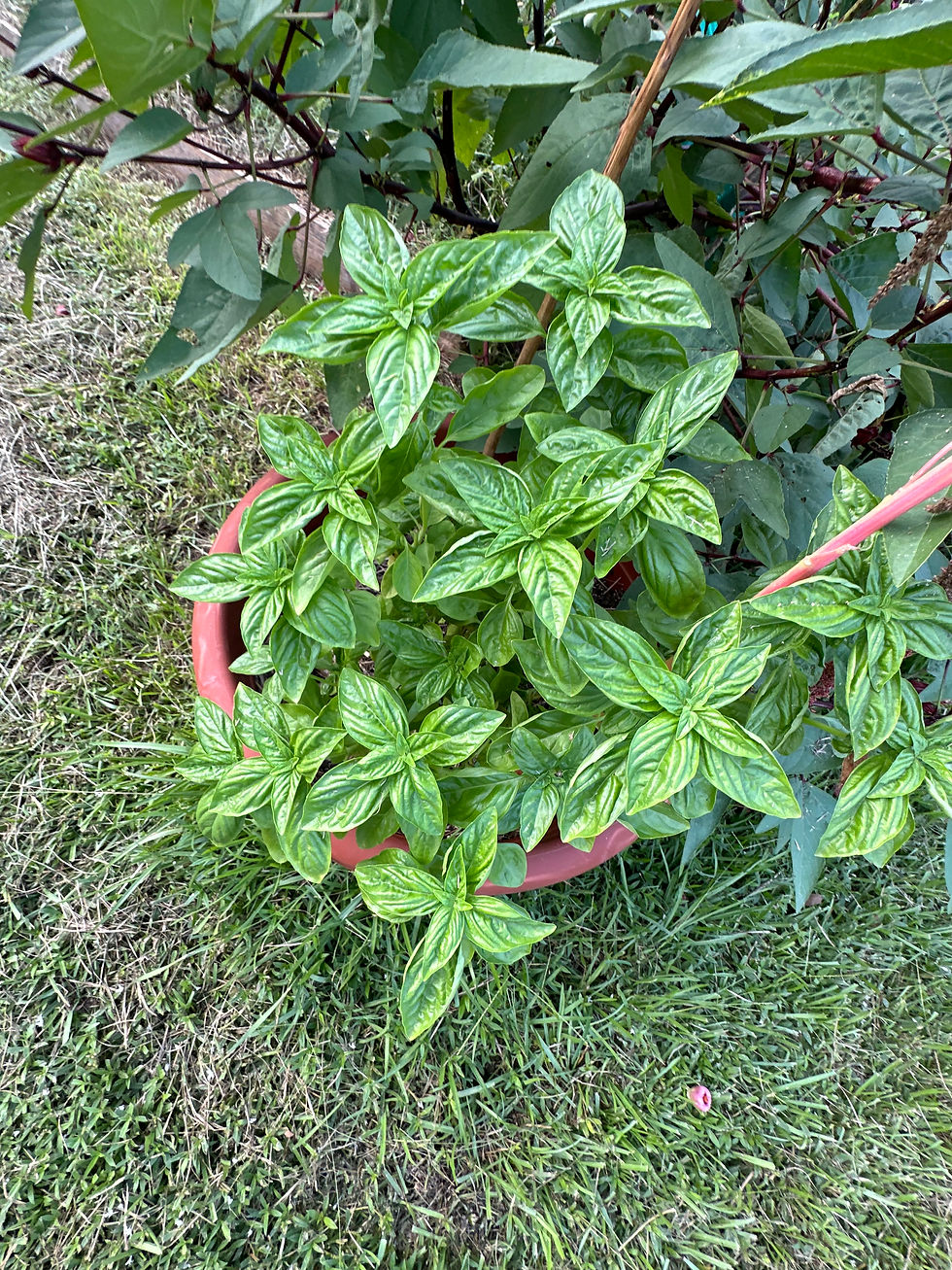
Using a raised bed is a great way to grow healthy and productive plants. The type of soil you use is crucial for the success of your garden. Here are some soil combinations that are ideal for raised bed gardening for beginners:
Topsoil, Compost, and Perlite: This combination will provide your plants with the necessary nutrients and drainage. Mix equal parts of topsoil and compost, and then add a small amount of perlite to improve drainage.
Potting Mix and Compost: This combination is perfect for smaller raised beds. Use a high-quality potting mix and mix in a generous amount of compost to provide your plants with the necessary nutrients.
Coco Coir, Compost, and Vermiculite: This combination is perfect for gardeners who want to use a more sustainable option. Coir is a byproduct of coconut processing and makes a great alternative to peat moss. Mix equal parts of coir and compost, and then add a small amount of vermiculite to improve drainage. Keep in mind Coir holds onto water so if you are in a really wet climate you may not want to do this mix.
Leaf Mold, Compost, and Sand: This combination is ideal for gardeners who want to create a soil mix that is rich in organic matter. Mix equal parts of leaf mold and compost, and then add a small amount of sand to improve drainage.
I always recommend testing your soil even with bagged soil after a few bad experiences in fact, I highly recommend it even if its a test you do yourself. I usually keep a testing kit in my gardening tools. You can also send soil samples off to have them tested. A quick google search will give you the how to I checked to be sure before adding this sentence. If you choose not to test your soil as you become more experienced, you can adjust the soil composition to meet the specific needs of your plants. Remember, the key to a successful raised bed garden is to use a soil mix that is well-draining, nutrient-rich, and has good water retention.
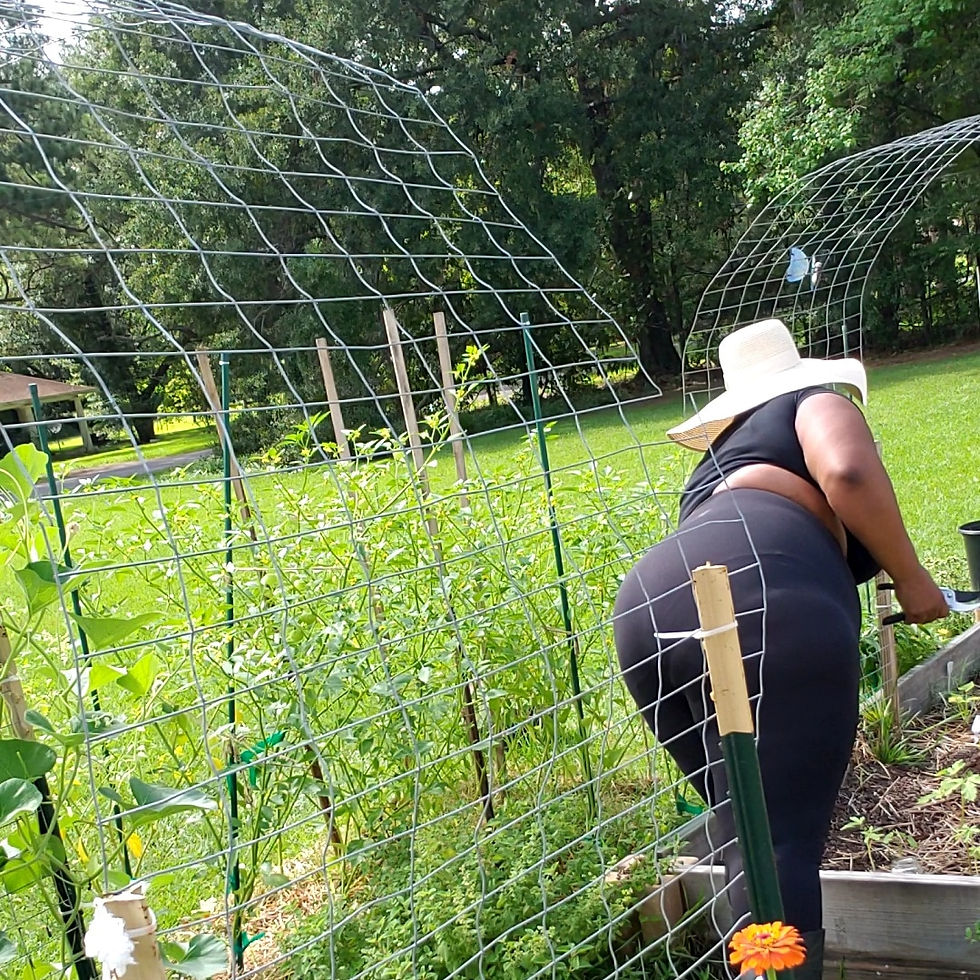
There are a few different ways to plant into a raised bed garden to make the most of your space. I see this question floating around a lot so I hope this answers a few questions.
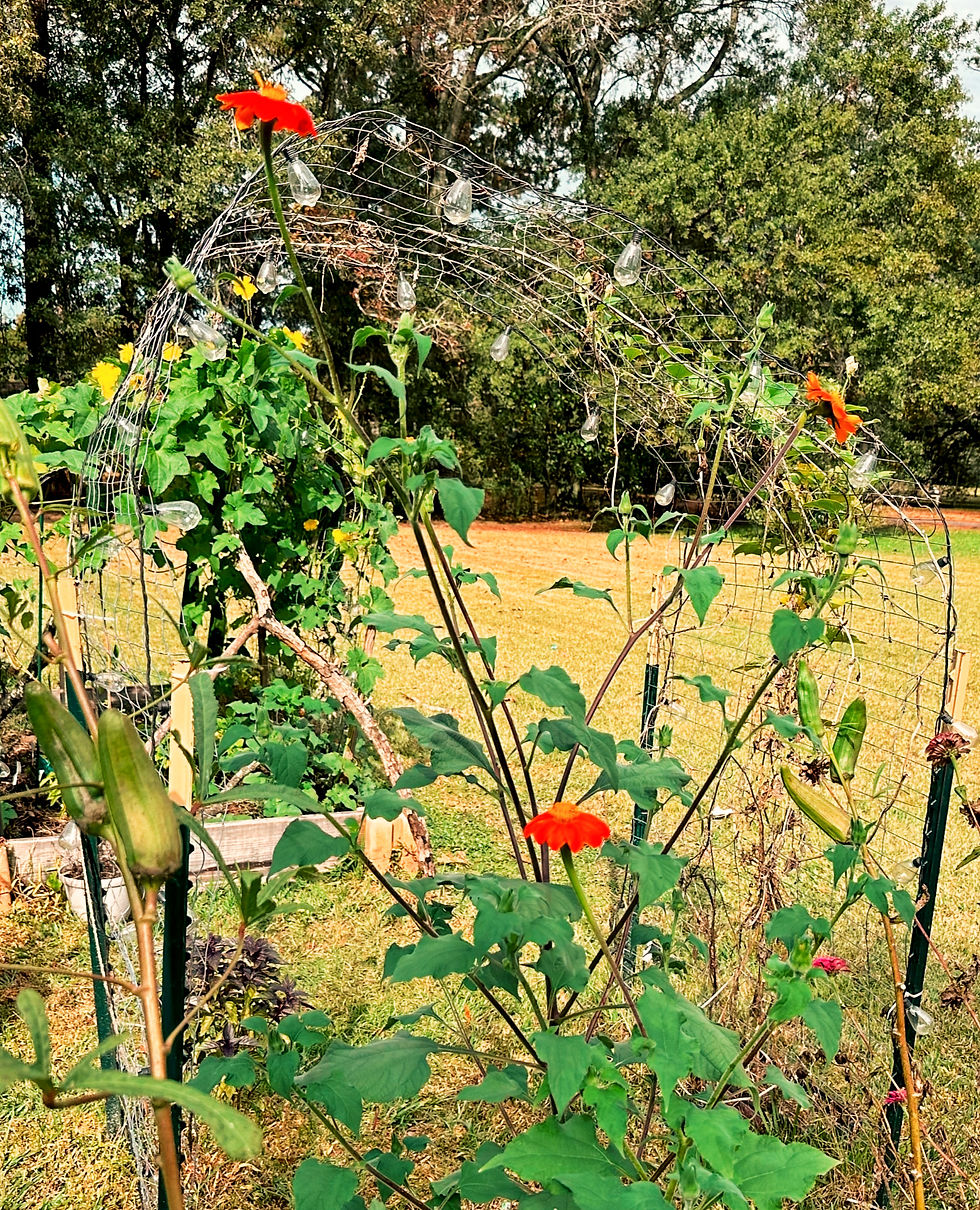
One method is to use companion planting or co planting, which involves planting different crops together that benefit each other. For example, planting beans with corn can help provide the beans with support while the beans add nitrogen to the soil that the corn needs. Also, planting herbs and flowers throughout the garden can help attract beneficial insects and pollinators. Don't be afraid to add flowers to your veggie beds the pollinators love it. Another method is to utilize vertical space by trellising plants such as cucumbers, tomatoes, and squash. This can help to free up space in the garden while also allowing for better air circulation and easier harvests. Another tip is staggering planting times this will help ensure a continuous harvest throughout the growing season. For example, planting a variety of lettuce and greens at different times can provide a steady supply of fresh greens.
There are many different ways to plant into a raised bed garden to maximize space and yield. By utilizing companion planting, vertical space, and staggering planting times, you can create a beautiful and productive garden. Overall, starting a raised bed garden is a fun and rewarding and can provide you with fresh produce and beautiful flowers. With a little bit of planning and preparation, you can create a thriving garden in even the smallest of spaces.
This is just a starting point don't forget to do more deep diving research if necessary there are many ways to accomplish the same goal so go for it.
Below are a few items that may help you along your journey. I will include my storefront link in case there are things you need that I did not include below.
***As an Amazon Associate I receive a small commission on purchases made using my links at NO extra cost to you. I appreciate the continued support!
Cedar Raised Bed
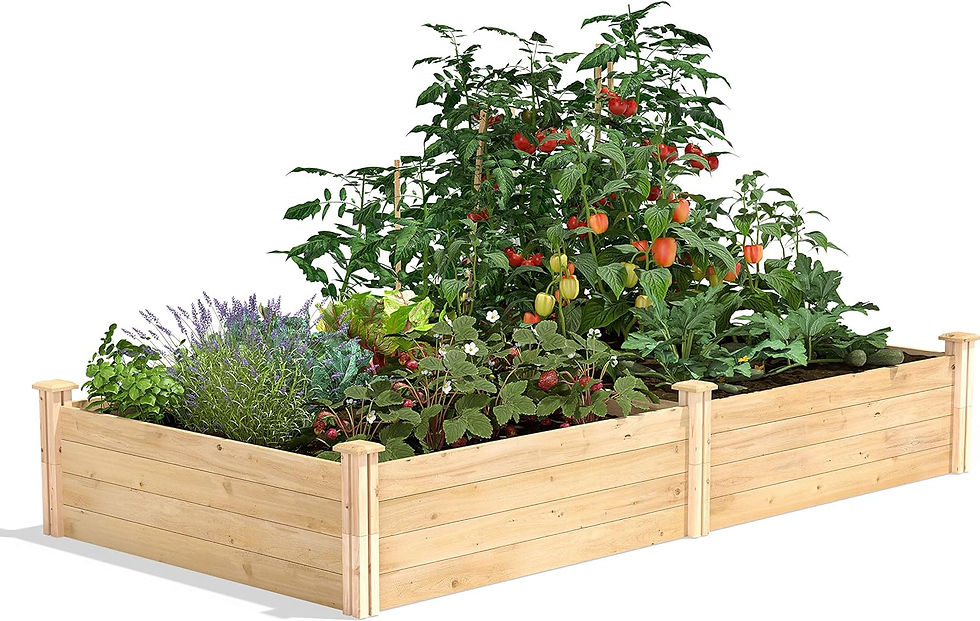

Galvanized Raised Bed
(other sizes available)

Comments